

My Cat Won't Urinate Now What!?
- MV
- 2 days ago
- 3 min read
When your cat suddenly stops urinating, it can be alarming. This is a serious issue that needs immediate attention. Cats who cannot urinate may be suffering from a blockage or other health problems that can quickly become life-threatening. I want to help you understand what might be going on, what signs to watch for, and what steps to take to keep your cat safe.
Why Is My Cat Not Urinating?
Cats usually urinate several times a day. If your cat is not urinating, it could be due to a few reasons:
Urinary blockage: This is a common emergency, especially in male cats. A blockage stops urine from leaving the bladder, causing pain and swelling.
Urinary tract infection (UTI): Infections can cause discomfort and changes in urination habits.
Bladder stones or crystals: These can irritate the bladder or block urine flow.
Dehydration: If your cat is not drinking enough water, urine production may decrease.
Other medical conditions: Kidney disease or neurological problems can affect urination.
If your cat is straining to urinate, crying out, or showing signs of pain, this is an emergency. You should seek veterinary care immediately.
Signs That Your Cat Needs Urgent Care
Knowing the warning signs can save your cat’s life. Watch for these symptoms:
Trying to urinate but producing little or no urine
Frequent trips to the litter box with no results
Crying or vocalizing while trying to urinate
Licking the genital area excessively
Lethargy or weakness
Vomiting or loss of appetite
Swollen abdomen or painful belly
If you notice any of these signs, do not wait. Contact an emergency veterinary clinic right away. In Fredericksburg, VA, facilities like Cladda Veterinary Emergency & Specialty Team provide rapid, advanced care for urgent pet medical needs.
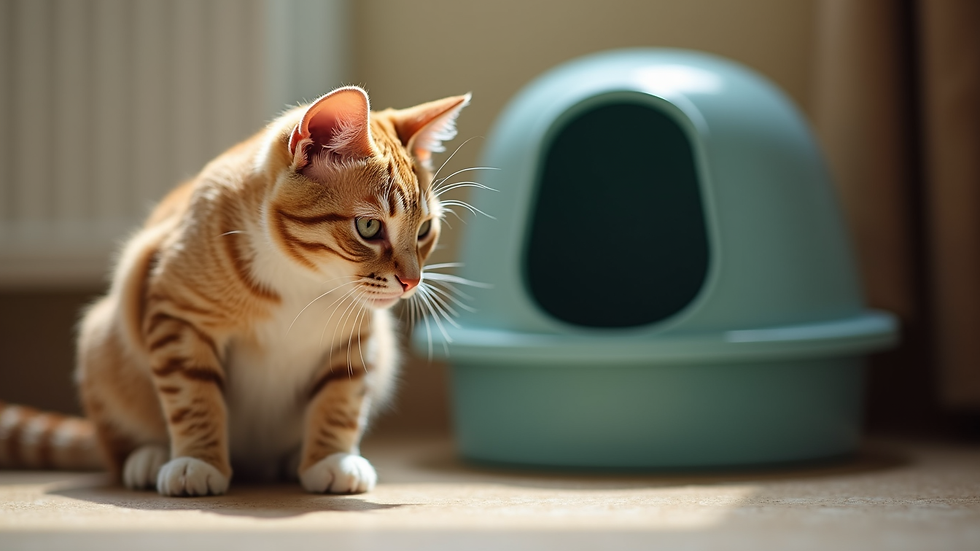
Cat showing discomfort near litter box, a sign of urinary problems
What Happens at the Vet?
When you bring your cat to the vet, they will perform a physical exam and may run tests such as:
Urinalysis to check for infection or crystals
Blood tests to assess kidney function and overall health
X-rays or ultrasound to look for stones or blockages
If a blockage is found, the vet will need to relieve it quickly. This often involves catheterization to empty the bladder and sometimes surgery if the blockage cannot be cleared.
Treatment may also include fluids to rehydrate your cat and medications to manage pain and infection.
How to Help Your Cat at Home
While waiting for veterinary care, you can help your cat by:
Keeping them calm and comfortable
Encouraging water intake by offering fresh water or wet food
Avoiding stress or changes in their environment
Do not try to treat the problem yourself or use home remedies. Urinary blockages are emergencies that require professional care.
Preventing Urinary Problems in Cats
Once your cat recovers, you can take steps to reduce the risk of future issues:
Provide plenty of fresh water daily
Feed a balanced diet, sometimes special urinary health formulas are recommended
Keep the litter box clean and accessible
Monitor your cat’s urination habits regularly
When to Call for Emergency Help
If your cat stops urinating completely or shows signs of distress, do not delay. Urinary blockages can cause toxins to build up in the body and lead to kidney failure or death within 24 to 48 hours.
Emergency veterinary clinics like Cladda Veterinary Emergency & Specialty Team in Fredericksburg, VA, are equipped to provide 24/7 care for these urgent situations. They offer advanced diagnostics and treatments to give your cat the best chance of recovery.

Veterinary emergency clinic ready to provide urgent care for cats with urinary issues
What to Expect After Treatment
After your cat is treated for a urinary blockage or infection, follow your vet’s instructions carefully. This may include:
Medications to prevent infection or reduce inflammation
Special diet to support urinary health
Regular check-ups to monitor progress
Keep a close eye on your cat’s litter box habits. If you notice any changes or signs of discomfort, contact your vet immediately.
Final Thoughts
A cat that won’t urinate is a serious problem that needs quick action. Knowing the signs and acting fast can save your cat’s life. If you ever face this situation, trust the experts who provide urgent and specialized care in your area.
Remember, prevention is key. Providing fresh water, a clean litter box, and a proper diet can help keep your cat’s urinary system healthy.
If you are in Fredericksburg, VA, and your cat shows signs of urinary trouble, don’t wait. Reach out to Cladda to get your cat the care they need.

Fresh water helps maintain healthy urination in cats
Taking quick action and providing ongoing care can make all the difference for your cat’s health and happiness.


